
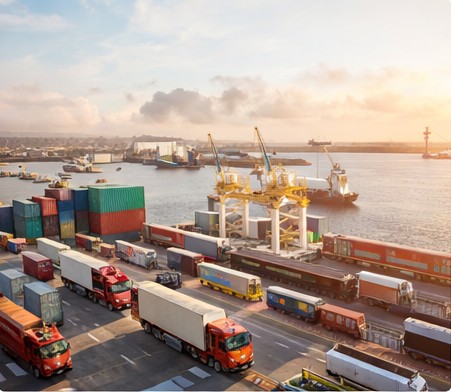





In recent years, Central Asia has positioned itself as a pivotal corridor for trade and investment, particularly in relation to China's Belt and Road Initiative (BRI). However, a closer examination reveals that this region has been receiving only a fraction of the considerable investment that China allocates to other areas.
Disparities in Investment Distribution
China's investments in infrastructure and development projects have surged, particularly in regions such as Southeast Asia and Africa, where the returns on investment are often more predictable and lucrative. In stark contrast, Central Asia seems to be a secondary priority.
Analysts suggest that several factors contribute to this imbalance. Political instability, economic challenges, and varying degrees of governance across the Central Asian states can deter investors. Additionally, the relatively small market size and lower purchasing power in these countries compared to other regions may also play a role in limiting China’s investment appetite.
In Central Asia, countries such as Kazakhstan, Uzbekistan, and Kyrgyzstan have received investments, but these sums pale in comparison to the billions funneled into projects in more economically vibrant nations. For example, while Kazakhstan has seen significant Chinese investments, its share remains modest when juxtaposed with the scale of funding in regions like Southeast Asia.
Infrastructure Challenges
Infrastructure development is a significant component of China's BRI, which aims to enhance connectivity across continents. Central Asia is strategically located, acting as a bridge between China and Europe. However, many of its transportation networks and logistics facilities are underdeveloped.
While China has invested in key projects, including railways and highways, the overall infrastructure remains lacking. The region's geographical diversity, with mountains and vast steppes, presents logistical challenges that complicate the execution of projects. Furthermore, the existing infrastructure often requires substantial upgrades to support modern trade and transport needs.
This underinvestment in infrastructure can hinder economic growth and exacerbate regional inequalities. As China seeks to bolster its economic ties with Central Asia, the lack of robust infrastructure may limit the potential for increased trade and investment.
Trade Relations and Economic Collaboration
Despite the limited investment, trade relations between China and Central Asian countries have been steadily growing. China has become a key trading partner for many nations in the region, exporting goods ranging from consumer products to machinery. In return, Central Asian countries supply natural resources, such as oil and gas, which are crucial for China's energy security.
However, the trade relationship has not translated into significant capital investment. Many Central Asian economies continue to rely heavily on exports of raw materials, which do not contribute to long-term sustainable economic development. The challenge lies in diversifying economies and enhancing value-added production to attract more substantial foreign investment.
Moreover, while Central Asian countries are keen to integrate more deeply within the BRI framework, they often find themselves at a disadvantage in negotiations with a much more powerful partner. The economic dependence on China raises concerns about sovereignty and long-term economic stability, as these nations strive to balance their relationships with other global powers.
In conclusion, while Central Asia occupies a crucial geographical position within the Belt and Road Initiative, it continues to receive only a small portion of China's extensive investment resources. The region faces significant challenges in infrastructure development and economic diversification, which must be addressed to fully harness its potential as a trade and investment hub. As the global economic landscape evolves, Central Asian countries will need to strategically navigate their relationships to enhance their role in the broader Eurasian economic framework.
Recommended Resources
This page may contain affiliate links. If you buy through these links, we may earn a commission at no extra cost to you.
Logistics & Supply Chain Book
Useful background reading for transport corridors, trade routes, and supply chains.
View ResourceTrade Data Platform
A platform for researching trade flows, customs data, and freight trends.
Open PlatformBusiness Travel Insurance
Optional partner offer for readers traveling across Eurasia for business.
Check Offer