
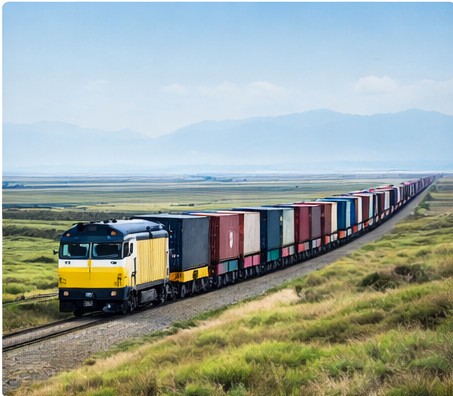





The Central Asia Marketing Forum has underscored the critical need for investment in ports and railway infrastructure to ensure the secure and efficient transportation of oil from Kazakhstan. As the nation continues to be a key player in the global oil market, optimizing its supply chain infrastructure is essential for maintaining its economic stability and enhancing trade relations within the region.
Importance of Infrastructure in Oil Supply Chains
Kazakhstan, rich in natural resources, particularly oil, is facing increasing pressure to modernize its logistics framework. The country’s vast geography and the complexity of its supply chains necessitate robust infrastructure to facilitate the timely movement of goods, especially oil.
Recent discussions at the Central Asia Marketing Forum highlighted that without significant investment in both port and railway facilities, Kazakhstan risks compromising its oil supply reliability. The current infrastructure, while functional, lacks the capacity to handle the growing demand and the logistical challenges posed by the region's economic landscape.
Experts in the field argue that enhancing railway networks and expanding port facilities could significantly reduce transportation bottlenecks. This would not only improve the efficiency of oil exports but also lower costs associated with logistics, thereby increasing Kazakhstan's competitiveness in the international market.
Regional Trade Dynamics and Investment Opportunities
Central Asia's strategic location as a bridge between Europe and Asia presents unique opportunities for enhancing trade. The development of modern rail and port facilities could enable Kazakhstan to become a more pivotal player in the Silk Road Economic Belt initiative.
Investors are increasingly looking towards the region, recognizing the potential for growth in various sectors, including oil and gas. The need for reliable transportation routes is paramount, as they directly influence trade volumes and economic performance.
With neighboring countries also seeking to improve their logistics capabilities, collaborative efforts in infrastructure development could yield mutual benefits. By aligning investments in rail and port facilities, Central Asian nations can create a more integrated and efficient regional trade network, enhancing overall economic resilience.
Challenges and Considerations for Future Development
While the call for infrastructure investment is clear, several challenges remain. Political stability, regulatory frameworks, and financing options are critical factors that can either facilitate or hinder development efforts.
Moreover, the environmental impact of expanding transport networks must be considered. Sustainable practices should be integrated into the planning and execution of new infrastructure projects to minimize ecological disruption.
Stakeholders, including government entities and private investors, must engage in comprehensive planning to address these challenges. This includes conducting feasibility studies, securing funding, and fostering partnerships that can bring about the necessary advancements in Kazakhstan's logistical capabilities.
In conclusion, the emphasis on improving port and railway infrastructure in Kazakhstan is a pivotal step towards securing its oil supplies and enhancing its position in regional trade. As discussions continue, it remains essential for all parties involved to focus on strategic investments that not only address current logistical needs but also pave the way for sustainable economic growth in Central Asia.
Recommended Resources
This page may contain affiliate links. If you buy through these links, we may earn a commission at no extra cost to you.
Logistics & Supply Chain Book
Useful background reading for transport corridors, trade routes, and supply chains.
View ResourceTrade Data Platform
A platform for researching trade flows, customs data, and freight trends.
Open PlatformBusiness Travel Insurance
Optional partner offer for readers traveling across Eurasia for business.
Check Offer