





---
China's ambitious infrastructure expansion, valued at $213 billion, is increasingly centered around Central Asia, a region that has emerged as a critical link in the Belt and Road Initiative (BRI). This development aims to enhance connectivity and trade routes across Eurasia, reflecting the growing significance of Central Asia in global economic discussions.
Strategic Importance of Central Asia
Central Asia, comprised of Kazakhstan, Kyrgyzstan, Tajikistan, Turkmenistan, and Uzbekistan, serves as a geographical and logistical pivot point between China and Europe. The region's strategic importance has been recognized by Beijing, leading to significant investments aimed at developing transportation networks, energy projects, and trade infrastructures.
The integration of Central Asia into the BRI is designed to facilitate smoother trade flows and reduce logistical costs. Through a series of infrastructure projects, China is enhancing railways, highways, and energy pipelines that connect the region to its borders and beyond. These developments not only aim to bolster trade with Europe but also to secure energy resources critical for China's growing economy.
Major Investment Projects
China's investments in Central Asia encompass a variety of sectors. Notable projects include the construction of railways that link western China to Central Asia, as well as highways that facilitate easier transport of goods. Energy projects, particularly those focused on oil and gas pipelines, are also a key component of China's investment strategy in the region.
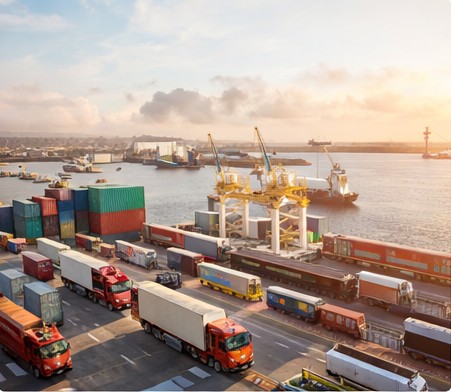
For instance, the China-Kazakhstan Logistics Base in Lianyungang has been a focal point for trade. This base serves as a major port for Chinese goods heading to Central Asian markets. Additionally, the development of the Khorgos Gateway, which links China with Kazakhstan, has significantly reduced transit times and costs, promoting greater economic interaction.
These projects are not without challenges. Political dynamics and varying economic conditions among Central Asian countries can complicate investment efforts. However, China remains committed to navigating these complexities to solidify its presence in the region.
Economic Implications and Future Prospects
The economic implications of China's infrastructure boom in Central Asia are substantial. Enhanced connectivity is expected to spur regional trade, benefiting not only China but also the Central Asian nations involved. Improved infrastructure could lead to increased foreign investments, job creation, and overall economic growth for these countries.
Moreover, China's investments in infrastructure are likely to alter the trade landscape in Eurasia. As Central Asia becomes more integrated into global supply chains, its role as a transit hub will become increasingly prominent. This shift could lead to a more diversified economy in the region, reducing reliance on traditional exports such as minerals and agricultural products.
While the long-term benefits are promising, it is essential to consider potential drawbacks. The influx of Chinese investment raises concerns about debt sustainability for some Central Asian countries. Balancing the benefits of Chinese capital with potential economic vulnerabilities will be critical as these nations navigate their futures.
In conclusion, Central Asia is set to play an integral role in China's $213 billion infrastructure expansion, underscoring the region's strategic importance in the Belt and Road Initiative. While challenges remain, the potential for economic growth and enhanced connectivity presents a significant opportunity for both China and Central Asian nations. As infrastructure projects continue to develop, the region's impact on global trade dynamics will likely become more pronounced, shaping the economic landscape of Eurasia for years to come.
Recommended Resources
This page may contain affiliate links. If you buy through these links, we may earn a commission at no extra cost to you.
Logistics & Supply Chain Book
Useful background reading for transport corridors, trade routes, and supply chains.
View ResourceTrade Data Platform
A platform for researching trade flows, customs data, and freight trends.
Open PlatformBusiness Travel Insurance
Optional partner offer for readers traveling across Eurasia for business.
Check Offer