
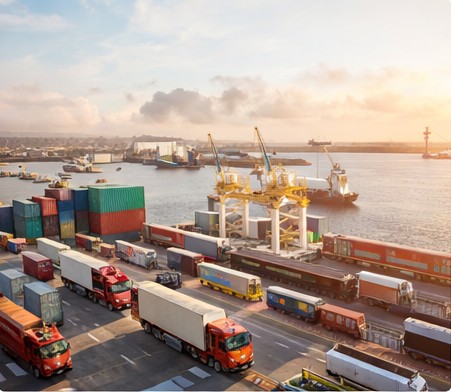





Central Asia has emerged as a focal point for investment within the Eurasian landscape, attracting approximately 50% of the total investments from major players such as China, Turkey, Iran, and various Gulf States. This trend highlights the region's growing importance in infrastructure development and trade logistics, reinforcing its role as a crucial node in the Silk Road Economic Belt.
Investment Landscape in Central Asia
According to recent findings published by The Times Of Central Asia, Central Asian countries have become pivotal destinations for foreign direct investment (FDI). The report outlines that China remains a dominant investor in the region, driven by its ambitious Belt and Road Initiative (BRI), which aims to enhance connectivity and trade routes across Eurasia.
Turkey has also significantly increased its investments, focusing on sectors such as energy, transportation, and construction. Additionally, Iran and Gulf States have recognized the strategic advantages of investing in Central Asia, contributing to various infrastructure projects that aim to facilitate regional trade and economic integration.
The influx of investments is not merely a matter of capital flow; it is also indicative of a broader strategy to enhance regional cooperation. The economic interdependencies fostered by these investments are expected to contribute to stability and growth in Central Asia, benefiting both investors and host nations.
Infrastructure Development and Trade Logistics
Infrastructure development remains a cornerstone of the investments pouring into Central Asia. Major projects include the construction of highways, railways, and energy pipelines that are essential for improving connectivity within the region and beyond. These infrastructure projects are crucial for facilitating trade, enabling smoother logistics, and enhancing access to markets.
For instance, investments in road and rail networks are expected to streamline transportation between Central Asia and key trading partners, including China and Europe. The enhancement of logistics capabilities is particularly vital for landlocked nations in the region, which rely heavily on efficient transport links for their economic sustenance.
Moreover, energy infrastructure projects are gaining momentum, with investments aimed at developing renewable energy sources and modernizing existing facilities. The diversification of energy resources not only supports local economies but also strengthens energy security across the region.
Strategic Partnerships and Future Prospects
The strategic partnerships being formed through these investments are likely to shape the economic landscape of Central Asia in the coming years. Countries in the region are increasingly open to collaboration, which is fostering a business-friendly environment conducive to foreign investment.
The alignment of interests between Central Asian countries and their investors is crucial. As these nations work to improve regulatory frameworks and create more favorable conditions for business, the potential for increased investment remains promising.
However, while the current investment trends are encouraging, challenges such as political instability, regulatory hurdles, and the need for skilled labor persist. Addressing these issues will be essential for ensuring that the region can sustain and build upon the momentum of recent years.
In conclusion, Central Asia's ability to attract significant investments from China, Turkey, Iran, and Gulf States positions the region as a vital player in the broader Eurasian economic landscape. As infrastructure and trade logistics continue to develop, the prospect of enhanced regional cooperation appears increasingly likely, paving the way for a more integrated and prosperous Central Asia.
Recommended Resources
This page may contain affiliate links. If you buy through these links, we may earn a commission at no extra cost to you.
Logistics & Supply Chain Book
Useful background reading for transport corridors, trade routes, and supply chains.
View ResourceTrade Data Platform
A platform for researching trade flows, customs data, and freight trends.
Open PlatformBusiness Travel Insurance
Optional partner offer for readers traveling across Eurasia for business.
Check Offer