
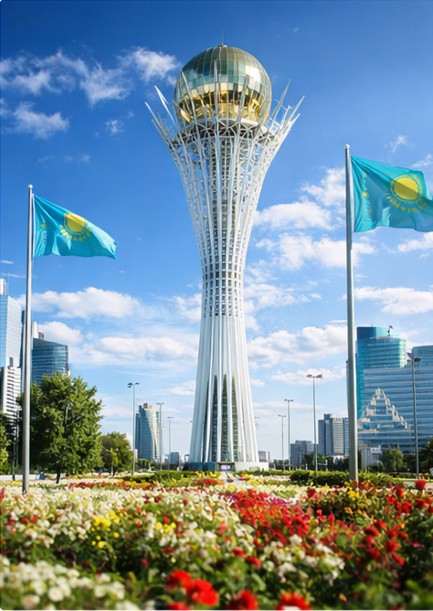





Record Investment in Central Asia
China's Belt and Road Initiative (BRI) has marked a significant milestone in the first half of the year, with Central Asia attracting an impressive $25 billion in investments. This figure represents a notable increase in funding aimed at bolstering infrastructure, logistics, and trade across the region, which has been increasingly recognized as a vital corridor for economic development.
The surge in investment reflects China's ongoing commitment to enhancing connectivity and economic cooperation among Eurasian countries. Central Asia, encompassing nations such as Kazakhstan, Uzbekistan, and Kyrgyzstan, plays a pivotal role in the BRI, serving as a crucial link between China and Europe.
Key Infrastructure Projects
The influx of investment is set to support several critical infrastructure projects in Central Asia. These include modernizing transport networks, developing energy resources, and enhancing trade routes. By improving infrastructure, the BRI aims to facilitate smoother trade flows and better connectivity not only within Central Asia but also extending to Europe and beyond.
In particular, the development of railways and highways is a focal point, as these transport links are essential for moving goods efficiently across vast distances. The completion of these projects is expected to reduce transit times and costs, making the region more attractive for international trade.
Additionally, energy projects are also a significant aspect of the investment. Central Asia is rich in natural resources, and investments are directed towards harnessing these resources while creating sustainable energy solutions. This aligns with both regional development goals and global environmental standards.
Strengthening Economic Ties
The record investment from China is also indicative of the strengthening economic ties between Central Asian countries and China. As these nations continue to diversify their economies, they seek to leverage China's technological expertise and financial support.
Regional leaders have expressed optimism about the potential benefits of enhanced cooperation. The BRI is seen as a pathway to not only improve national economies but also to foster regional stability and collaboration. The investment serves as a catalyst for economic growth, potentially leading to job creation and improved living standards for the local populations.
However, challenges remain. Issues such as governance, regulatory frameworks, and the need for transparent practices are critical to ensuring that the investments yield positive outcomes for all stakeholders involved. It is imperative that countries within the region work together to address these challenges while maximizing the opportunities presented by the BRI.
Conclusion
The achievement of attracting $25 billion in investments in the first half of the year underscores Central Asia's strategic importance to China's Belt and Road Initiative. As infrastructure and trade avenues are developed, the region stands to benefit significantly from enhanced connectivity and economic integration. Moving forward, the focus will likely remain on managing investments effectively to ensure sustainable growth and mutual benefit among participating nations.
Silk Road Economic Belt Map

Map overview of Eurasian corridors and trade routes.
Recommended Resources
This page may contain affiliate links. If you buy through these links, we may earn a commission at no extra cost to you.
Logistics & Supply Chain Book
Useful background reading for transport corridors, trade routes, and supply chains.
View ResourceTrade Data Platform
A platform for researching trade flows, customs data, and freight trends.
Open PlatformBusiness Travel Insurance
Optional partner offer for readers traveling across Eurasia for business.
Check Offer