
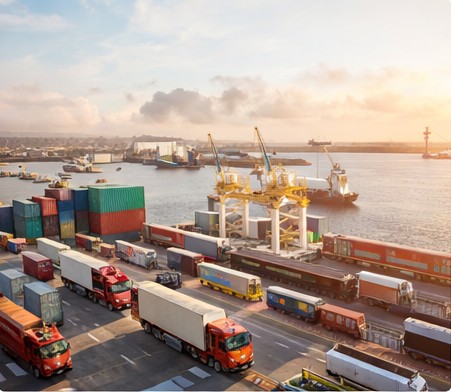





BlackRock's infrastructure investment division has initiated a significant $30 billion infrastructure investment plan targeting the Gulf region and Central Asia. This ambitious project aims to bolster the region's infrastructure capabilities, enhance logistics, and foster economic growth through improved trade networks.
Strategic Focus on Infrastructure Development
The announcement from BlackRock underscores the growing demand for enhanced infrastructure across these regions, which are critical to global trade routes, particularly as part of the broader Silk Road Economic Belt initiative. This new investment is expected to address pressing needs in transportation, energy, and digital connectivity.
Officials from BlackRock noted that the investment will be guided by an emphasis on sustainable development, reflecting a growing trend among global investors to prioritize environmentally responsible projects. By focusing on sustainable infrastructure, BlackRock aims to support the long-term economic viability of the Gulf and Central Asian economies.
The Gulf region, with its wealth of natural resources and strategic location, is seen as a key player in global logistics and trade. Meanwhile, Central Asia is increasingly viewed as a vital transit corridor connecting Asia to Europe. The new investment is poised to enhance these strategic advantages further, opening up new opportunities for trade and economic collaboration.
Opportunities in Logistics and Trade
As part of the infrastructure initiative, BlackRock plans to invest in various logistics-related projects, including the development of transport networks and logistics hubs. These projects are vital for improving the movement of goods across borders and facilitating trade between the regions.
In Central Asia, countries such as Kazakhstan and Uzbekistan are already taking steps to enhance their transport infrastructures, including roads, railways, and border facilities. BlackRock's involvement is expected to complement these national efforts, providing the necessary funding and expertise to accelerate development.
Trade routes in the region are under increasing pressure due to rising demand and evolving trade patterns. By investing in logistics infrastructure, BlackRock aims to streamline operations and reduce bottlenecks, which can hinder economic growth. This initiative aligns with the broader goals of enhancing connectivity across the Silk Road Economic Belt, which seeks to revive and enhance ancient trade routes.
A Vision for Sustainable Economic Growth
The investment strategy from BlackRock also highlights a commitment to fostering economic resilience in the face of global challenges. Infrastructure development is often seen as a catalyst for broader economic growth, creating jobs and enhancing the overall quality of life for residents in the regions involved.
Furthermore, the focus on sustainable projects is likely to attract additional investment from other global financial entities and governments, creating a multiplier effect in the region's economic development. By prioritizing sustainability, BlackRock is positioning itself as a leader in responsible investment, which may influence other investors to adopt similar approaches.
The initiative is expected to span several years, with projects phased in to ensure effective implementation and management. As infrastructure projects are typically capital-intensive and time-consuming, BlackRock’s approach will likely include thorough planning and evaluation processes to mitigate risks and ensure successful outcomes.
In conclusion, BlackRock's $30 billion infrastructure investment in the Gulf and Central Asia represents a significant commitment to enhancing the region's infrastructure and logistics capabilities. By focusing on sustainability and facilitating trade, this initiative has the potential to contribute positively to economic development and connectivity in these strategically important regions. As the project unfolds, its impact will be closely monitored by stakeholders across the globe, particularly those invested in the future of the Silk Road Economic Belt.
Recommended Resources
This page may contain affiliate links. If you buy through these links, we may earn a commission at no extra cost to you.
Logistics & Supply Chain Book
Useful background reading for transport corridors, trade routes, and supply chains.
View ResourceTrade Data Platform
A platform for researching trade flows, customs data, and freight trends.
Open PlatformBusiness Travel Insurance
Optional partner offer for readers traveling across Eurasia for business.
Check Offer