
---
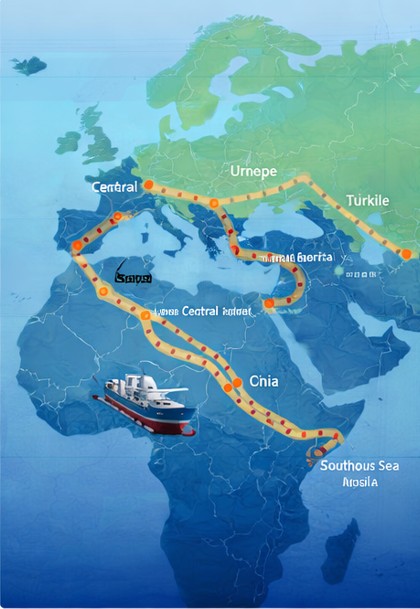
Azerbaijan, Kazakhstan, and Turkmenistan are taking significant steps to establish a digital corridor that will improve connectivity and promote trade across the Caspian Sea. This initiative aims to bolster economic relations and streamline logistics in the region, enhancing the potential for investment and collaboration among the three nations.
A Strategic Digital Corridor
The proposed digital corridor reflects a growing recognition of the importance of digital infrastructure in facilitating trade and economic growth. By improving digital connectivity, the three countries aim to create a more integrated market that can compete effectively on a global scale. This corridor is expected to support not only traditional trade but also e-commerce and digital services, which are increasingly vital components of modern economies.
Officials from the involved nations have emphasized the role of digital technology in enhancing efficiency and transparency in trade operations. The digital corridor is envisioned to provide a framework for streamlined customs procedures, improved logistics management, and enhanced communication among businesses in Azerbaijan, Kazakhstan, and Turkmenistan.
Enhancing Economic Cooperation
The digital corridor is part of a broader strategy to strengthen economic ties among these Central Asian nations. Azerbaijan, Kazakhstan, and Turkmenistan have long-standing historical and economic connections, and the development of this corridor is seen as a way to leverage these relationships for mutual benefit. By fostering closer cooperation, the countries aim to create a more favorable environment for investment and trade.
Moreover, this initiative aligns with various regional projects, including the Belt and Road Initiative, which seeks to enhance connectivity across Eurasia. The digital corridor is intended to complement existing transportation routes while facilitating the flow of goods and services through digital means. This will not only enhance trade but also help in attracting foreign investments that are increasingly focused on digital capabilities.
Future Prospects and Challenges
While the potential benefits of the digital corridor are significant, several challenges may arise during its implementation. Technical aspects, such as ensuring cybersecurity and maintaining infrastructure, will be crucial to the success of this initiative. Additionally, aligning regulatory frameworks and standards among the three countries will require careful negotiation and collaboration.
Furthermore, the digital divide within and between these nations may pose a challenge. Ensuring that all regions can access and benefit from the digital corridor will be essential for its overall success. Policymakers will need to prioritize investments in digital literacy and infrastructure to ensure inclusive growth.
In conclusion, the initiative to establish a digital corridor across the Caspian Sea represents a strategic move by Azerbaijan, Kazakhstan, and Turkmenistan to enhance their economic integration and improve trade logistics. While the road ahead may present challenges, the potential for improved connectivity and economic cooperation could pave the way for a more prosperous future in the region.
Silk Road Economic Belt Map
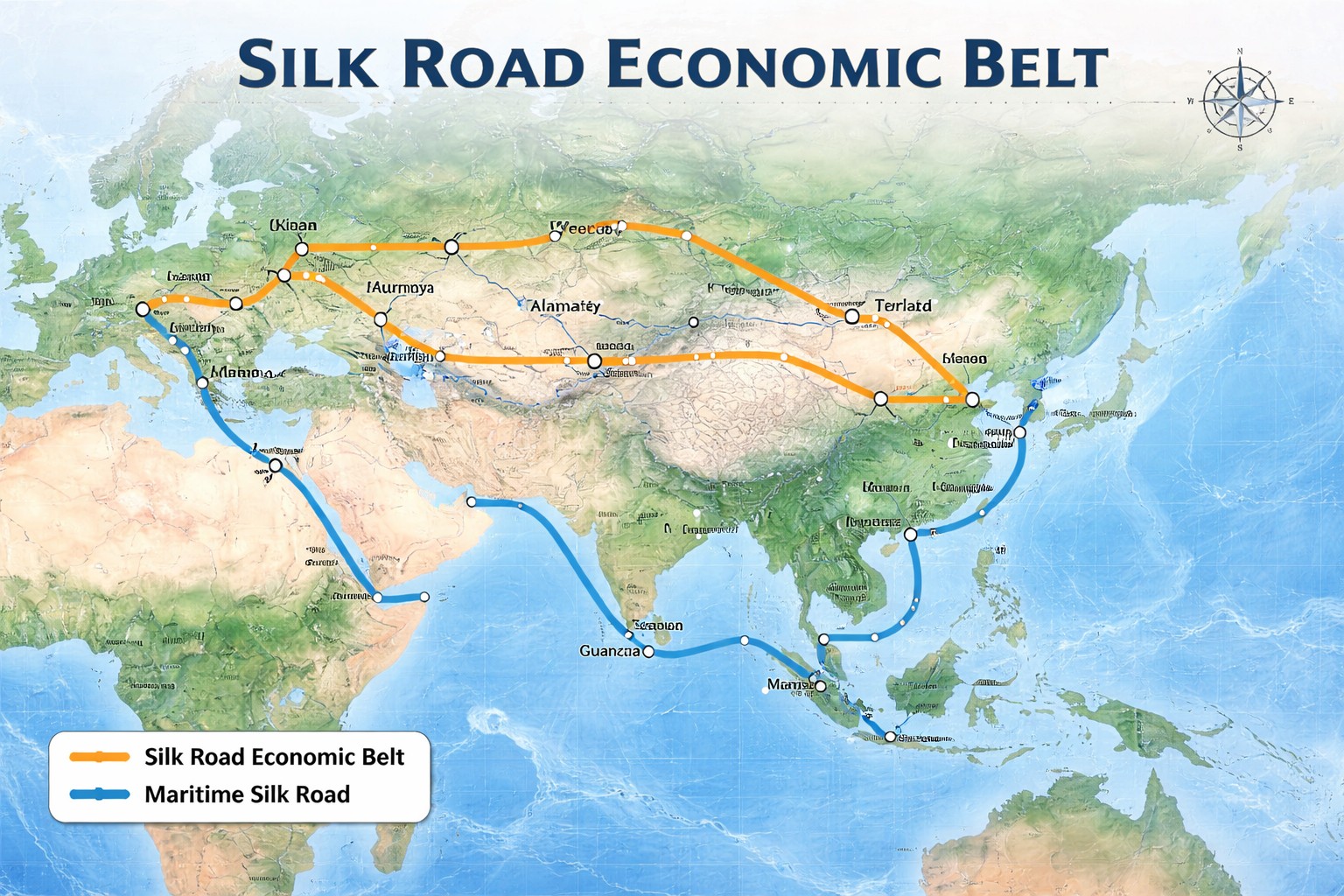
Map overview of Eurasian corridors and trade routes.
Recommended Resources
This page may contain affiliate links. If you buy through these links, we may earn a commission at no extra cost to you.
Logistics & Supply Chain Book
Useful background reading for transport corridors, trade routes, and supply chains.
View ResourceTrade Data Platform
A platform for researching trade flows, customs data, and freight trends.
Open PlatformBusiness Travel Insurance
Optional partner offer for readers traveling across Eurasia for business.
Check Offer