
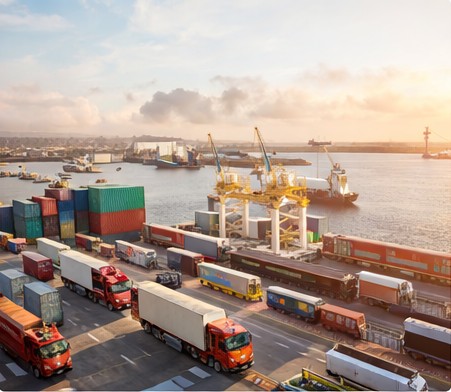





Infrastructure as a Priority
In the evolving landscape of Europe and Central Asia, the need for robust economic infrastructure has never been more pressing. As global trade dynamics shift, the region stands at a crossroads, where investments in infrastructure could significantly enhance connectivity and economic growth.
Recent assessments underscore that many countries within this corridor are grappling with outdated infrastructure, which hampers their ability to engage competitively in international markets. Roads, railways, and ports are essential for facilitating trade, yet many remain underdeveloped or poorly maintained.
The challenges are particularly pronounced in rural areas, where access to key transportation routes can dictate the success of local economies. By prioritizing infrastructure investments, these nations can not only improve their internal logistics but also strengthen their ties with neighboring regions.
Investment Needs and Opportunities
Investment in infrastructure is not just about repairing what already exists; it is also about seizing new opportunities. The Belt and Road Initiative (BRI), spearheaded by China, has brought attention to the potential for increased collaboration in infrastructure development. This initiative aims to create a modern Silk Road that enhances trade routes across Asia and Europe.
Countries in Central Asia, including Kazakhstan and Uzbekistan, are at a pivotal moment where they can attract foreign investment aimed at updating their infrastructure. Enhanced rail networks, improved logistics hubs, and modernized ports can all play a crucial role in this transformation.
However, attracting investment will require a concerted effort from local governments to create a favorable environment. This includes not only regulatory reforms but also ensuring political stability and transparency in financial dealings.
The Role of International Partnerships
As nations look to bolster their infrastructure, international partnerships will be key. Collaborations between countries can lead to shared expertise and resources, which can address common infrastructure issues.
Regional organizations, such as the Eurasian Economic Union, are also poised to play a significant role in fostering cooperation on infrastructure projects. By pooling resources and aligning development strategies, member countries can maximize the impact of their investments.
Moreover, partnerships with global financial institutions could provide the necessary funding for large-scale infrastructure projects. These collaborations can help mitigate risks and ensure that investments yield sustainable economic benefits.
Conclusion
The imperative for improved economic infrastructure in Europe and Central Asia cannot be overstated. As nations navigate the complexities of trade and investment, a focus on developing and modernizing infrastructure will be critical. By prioritizing these investments and fostering international partnerships, countries in the region can enhance their economic resilience and position themselves favorably on the global stage. The future of trade and logistics in Eurasia hinges on the infrastructure choices made today.
Recommended Resources
This page may contain affiliate links. If you buy through these links, we may earn a commission at no extra cost to you.
Logistics & Supply Chain Book
Useful background reading for transport corridors, trade routes, and supply chains.
View ResourceTrade Data Platform
A platform for researching trade flows, customs data, and freight trends.
Open PlatformBusiness Travel Insurance
Optional partner offer for readers traveling across Eurasia for business.
Check Offer